Hoi An Travel Guide – A Complete Self-Guided Handbook
1. Brief introduction
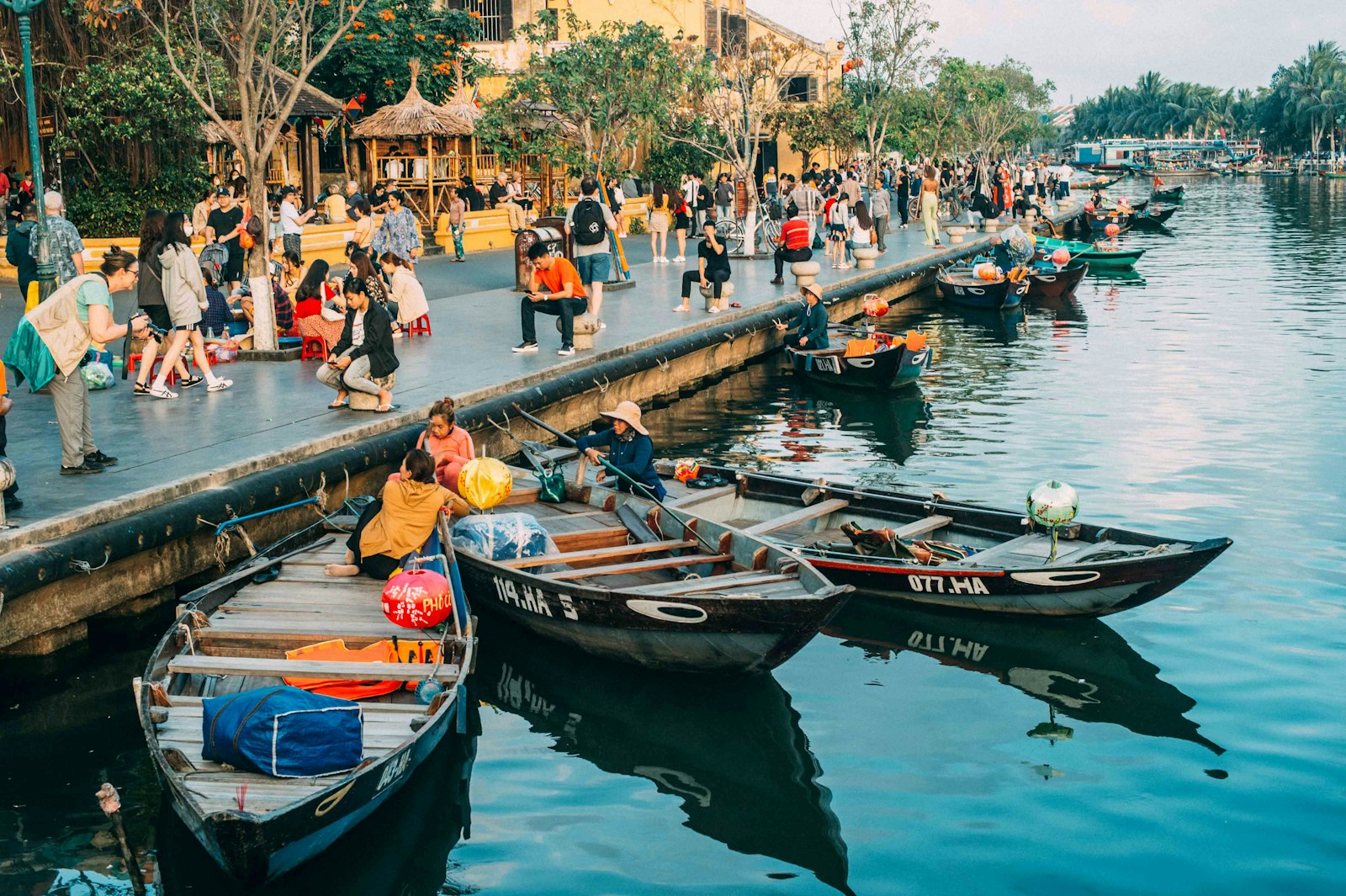
Hoi An travel guide for first-time visitors: Hoi An is a small ancient town on the Thu Bon River in Quang Nam Province, about 30 km from Da Nang. Though compact, it has everything travellers love: old streets full of lanterns, riverside views, nearby beaches, cheap and tasty street food, and a slow, relaxing vibe. To understand why Hoi An is so special, you can also check its page as a UNESCO World Heritage Site.
Once a bustling trading port, Hoi An’s architecture is a blend of Vietnamese, Chinese, Japanese, and French influences. It works well both for first-time visitors and for those who simply want to come back and slow down.
2. Best time to visit
- Most pleasant period: February – April
Mild temperatures, little rain, soft sunlight – good for walking around the Old Town
and visiting An Bang or Cua Dai beaches.
- May – August
Hotter and sunnier, but skies are usually clear and the sea is beautiful, ideal for
beach time and trips to Cham Island.
- September – January
Higher chance of rain and occasional floods. If visiting, check the forecast carefully
and avoid long rainy spells.
Note: On full-moon nights (lunar calendar), electric lights are dimmed, lanterns are lit and floating candles are released on the river – very atmospheric but also crowded. Book accommodation early if you come in this period.
3. Getting there and getting around
Getting to Hoi An
- By plane: Fly to Da Nang International Airport, then:
- Taxi/Grab: about 40-45 minutes, around 350,000-450,000 VND per way.
- Private car: book in advance, good for small groups.
- By train / sleeper bus: Arrive at Da Nang railway station or bus station,
then continue by taxi or transfer to Hoi An.
Getting around
- On foot: best for wandering around the Old Town (wear comfortable shoes or sandals).
- Bicycle: many hotels/homestays lend or rent bicycles (20,000-50,000 VND/day).
- Motorbike: 120,000-180,000 VND/day, convenient for visiting beaches and nearby villages.
- Cyclo and boat on the Hoai River: relaxed experiences; always agree on the price beforehand.
4. Where to stay
- Inside the Old Town: perfect if you love walking and want everything on your doorstep at night.
Downsides: higher prices, rooms sell out quickly in peak season.
- Riverside / beachside areas (Cam An, Cam Thanh, etc.): plenty of villas and homestays with
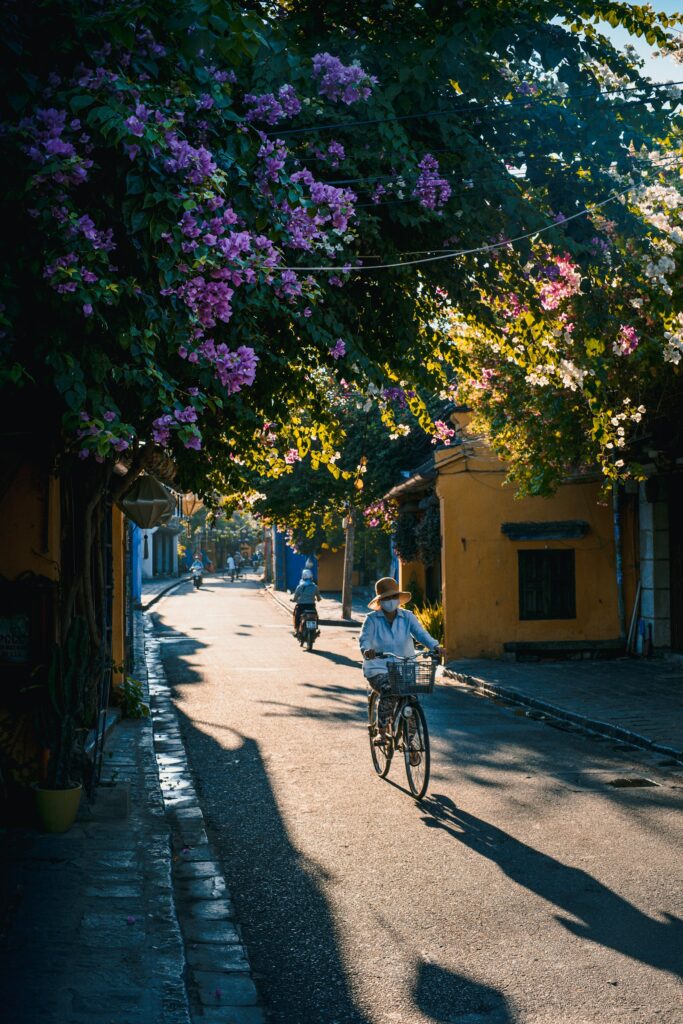
gardens and pools, greener and quieter; good for families and couples. You can cycle to the Old Town in
about 10-15 minutes.
Booking tips: prioritize places with recent, positive reviews and real photos; reserve at least 1-2 weeks ahead in high season.
5. Must-do experiences
In the Old Town
- Strolling in the afternoon and evening: visit the Japanese Covered Bridge, old houses,
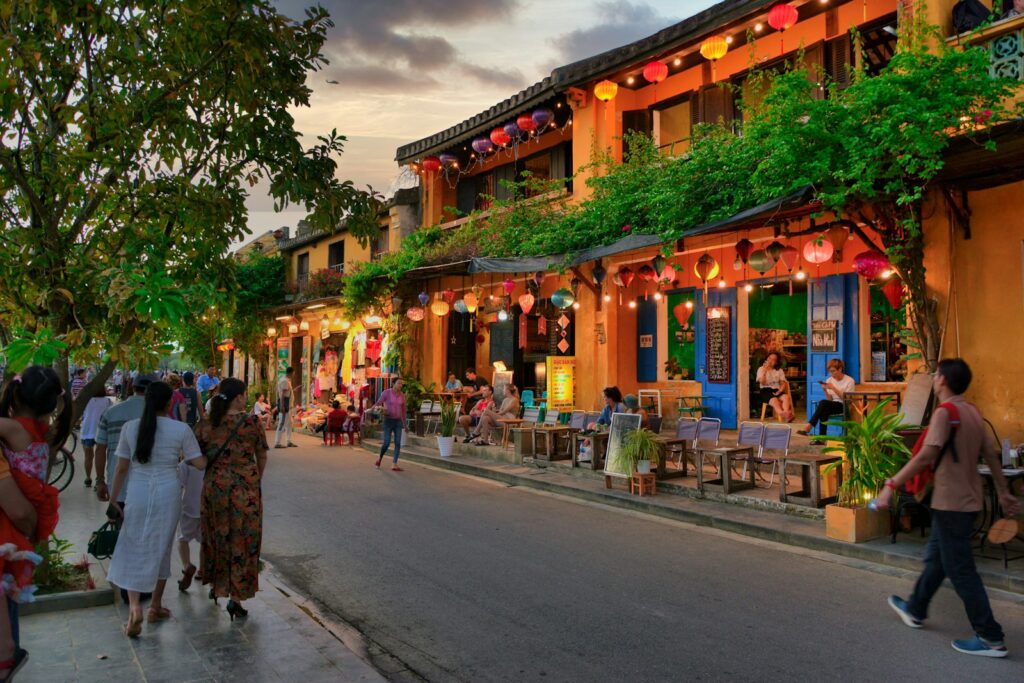
assembly halls and the riverfront. At night, lanterns are lit and the ambiance is very different from daytime.
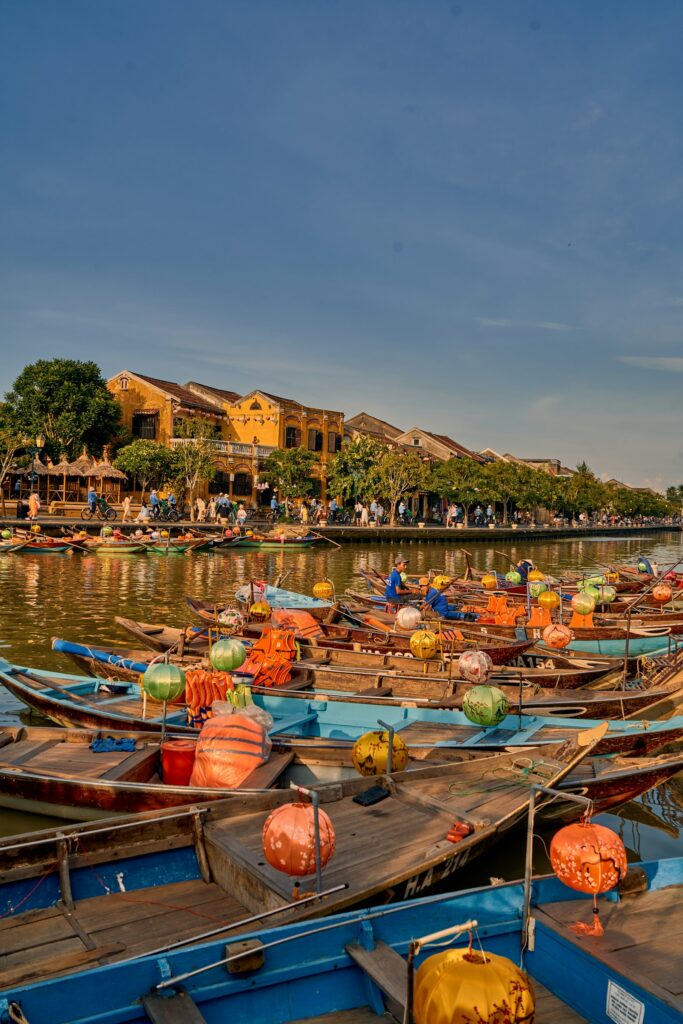
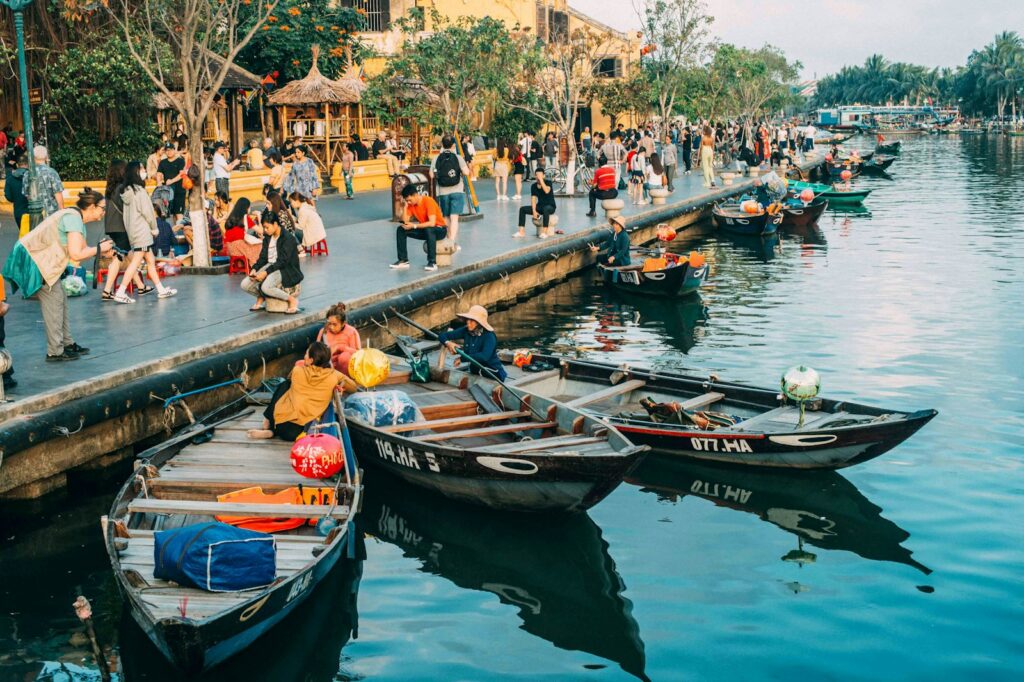
- Boat ride and floating lanterns on the Hoai River: about 15-20 minutes; 6:30-8:00 pm
is a nice time slot.
- Lantern photos and traditional costumes: many shops rent Ao Dai or other traditional
costumes and offer photo packages – confirm the total price in advance.
Villages and countryside
- Tra Que Vegetable Village: farming experiences and local cooking classes.
- Thanh Ha Pottery Village: try making pottery, see traditional kilns, and buy small souvenirs.
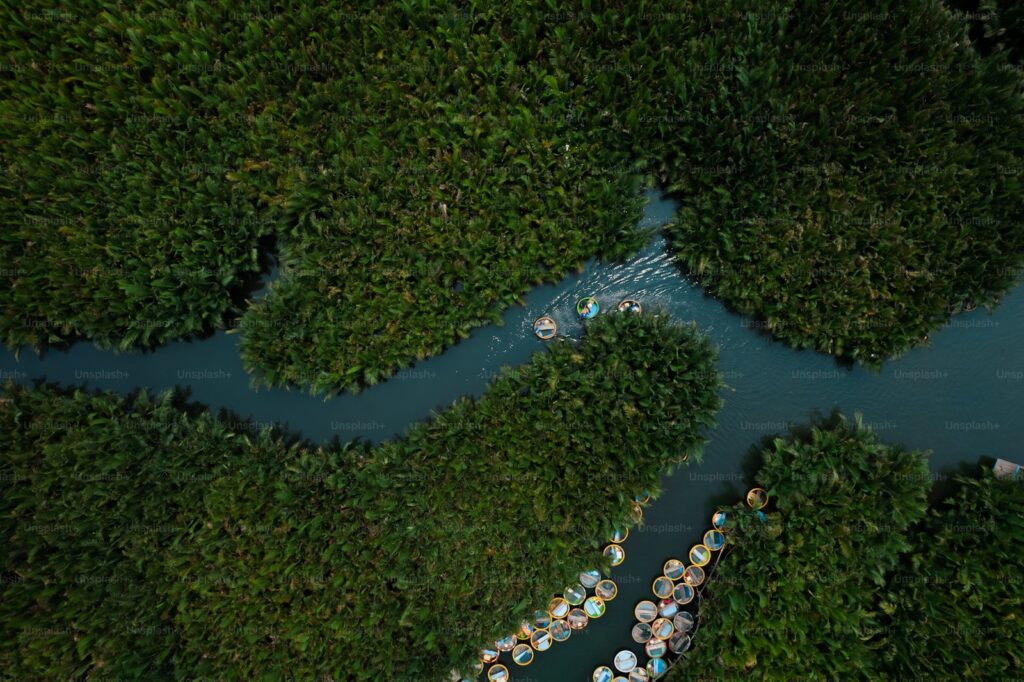
- Bay Mau Coconut Forest (Cam Thanh): basket boat ride through nipa palms; many tours combine
coconut forest, lunch and cooking.
Beaches & islands
- An Bang / Cua Dai Beach: swim in the early morning or late afternoon, relax in beachfront
cafés and bars.
Cham Island (Cu Lao Cham): popular day trip with speedboat, snorkelling, seafood lunch and
beach time. Bring swimwear, towels, strong sun protection and reduce single-use plastic.
6. Food you shouldn’t miss
- Cao lau: thick yellow noodles with sliced pork, herbs and crispy pork crackling;
try a few different shops to compare. - Mi Quang: noodle dish with rich broth, served with rice crackers and fresh herbs.
- Hoi An chicken rice: yellow rice with shredded chicken, onion, herbs and special fish sauce.
- Hoi An banh mi: famous baguette with rich fillings like pate, cold cuts, grilled meat
and meatballs. - Local snacks: banh beo, white rose dumplings, steamed rice paper rolls with grilled meat, and more.
Drinks & hangouts
Coffee, smoothies, fresh juices, craft beer and cocktails along the river or on rooftops. Some bars feature live music in the evening and are quite laid-back.
7. Suggested 3-day-2-night itinerary
Day 1 – Arrival & Old Town basics
- Use this Hoi An travel guide as your self-guided handbook for a smooth first day exploring the Old Town.
- Afternoon: walk around the Old Town – Japanese Bridge, old houses, assembly halls; coffee break with a street view.
- Evening: dinner with cao lau or chicken rice, boat ride and floating lanterns, lantern photos.
Day 2 – Villages & beach
- Follow this Hoi An travel guide to combine countryside experiences and beach time on your second day.
- Noon: lunch at the village or back in town.
- Afternoon: head to An Bang or Cua Dai Beach, swim, watch the sunset.
- Evening: seafood at the beach or more street food in the Old Town.
Day 3 – Cham Island or coconut forest
- On the third day, this Hoi An travel guide helps you choose between Cham Island or the coconut forest, depending on your style.
- OR Bay Mau Coconut Forest: half-day trip, then shopping and packing.
8. Practical tips
- Old Town ticket: there are official tickets for visiting certain heritage sites – check at the official ticket booth.
- Dress & manners: dress modestly and keep your voice down when visiting temples and assembly halls.
- Cash: small local eateries and services still prefer cash; carry some small notes.
- Bargaining: you can bargain a bit at markets or with informal services, but stay friendly and respectful.
- Environment: do not litter, especially around rivers, beaches and islands.