

Distinctive Cultural Features of the Mường People in Vietnam

Traditional Stilt Houses
The Mường people traditionally settle in mountainous areas with ample farmland, close to transportation routes, which facilitates their economic activities. They have a tradition of farming, with rice being their main staple crop. During the agricultural off-season, they engage in weaving, basketry, silk production, and forest resource exploitation.
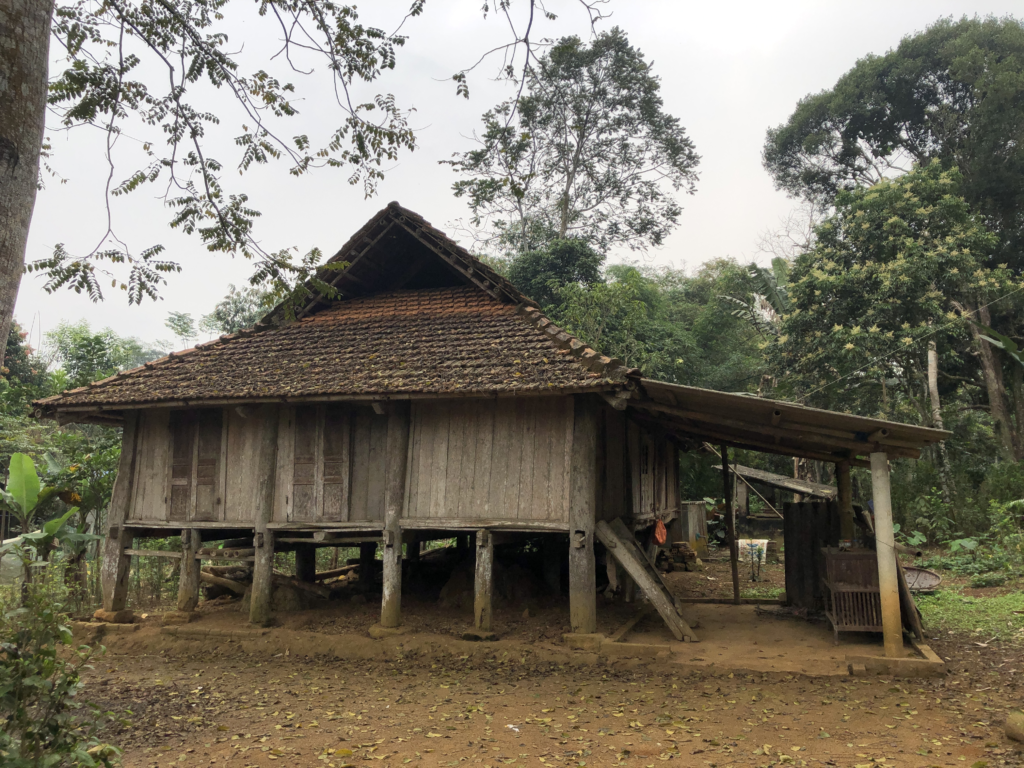
The Mường people’s houses are stilt houses, constructed with great skill and providing a spacious, well-ventilated, and practical living environment. This style of house has led to a distinct lifestyle in both daily activities and agricultural work, including rice cultivation, shifting cultivation, and livestock raising.
Beyond providing shelter, storing possessions, protecting from wild animals, and adapting to the humid and hot climate, stilt houses also play a role in preserving cultural identity and educating family members.
An interesting tradition when building a new house is the “fire-starting ceremony.” The house owner places a banana leaf shaped like three large fish on a bamboo stick above the stove, and adds a green pumpkin on the house post. Before cooking in the new house, the owner performs a fire-starting ceremony to ask the kitchen deity for blessings, placing three vegetable heads and a large stone. That night, the host invites everyone to drink wine by the light of the fire.
Traditional Mường Clothing
In addition to customs and traditions, clothing is a significant factor contributing to the uniqueness and richness of Mường culture.
Mường clothing has distinct shapes and aesthetic features. Men typically wear a round-collared shirt with an open chest, shoulder buttons, two lower pockets or a pocket on the left chest, short hair or a white headscarf, wide trousers, and a waist cloth.
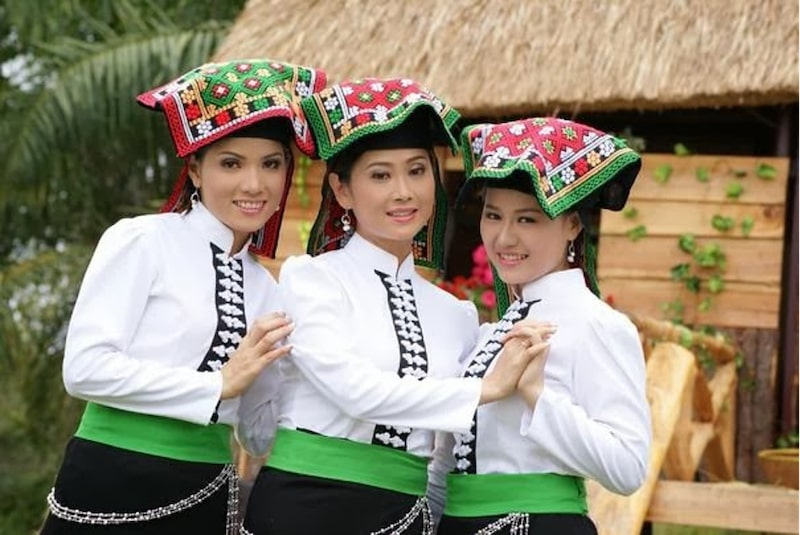
Mường ancestors have regarded this traditional outfit highly, wearing it not only in daily life but also on special occasions, festivals, and ceremonies to maintain their cultural identity.
Women’s clothing is more varied and colorful, usually consisting of a short white shirt with a neckline slit and a long skirt reaching the ankles, which includes a shirt and a skirt. This type of skirt is renowned worldwide for its intricate patterns. Women also adorn themselves with accessories such as bracelets, bead necklaces, and silver jewelry with two or four rings and a peach-shaped locket, known as Mường tiger.
Culinary Culture
Cuisine is an essential aspect of the Mường people’s distinctive culture. Their culinary traditions not only reflect their pride but also bring people from all regions together, contributing to the richness and uniqueness of Vietnamese cuisine.
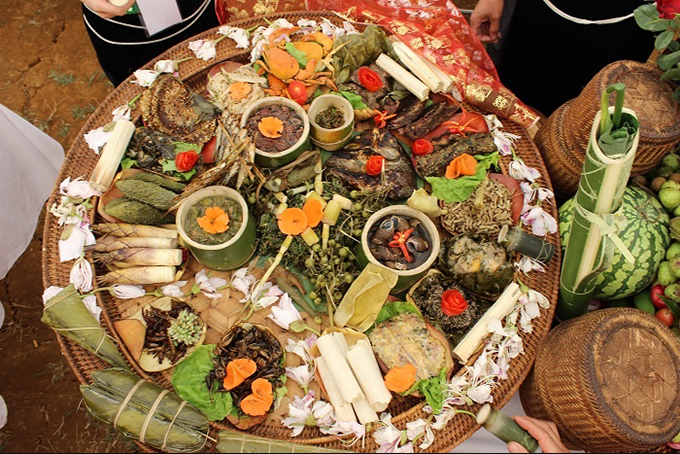
Mường cuisine, like other ethnic foods in the Northwest, is unique in its ingredients and preparation methods. To create authentic Mường dishes, they use locally available ingredients such as bamboo shoots, wild vegetables, five-colored leaves, native chickens, free-range ducks, and glutinous rice.
Mường people pay special attention to roasting, boiling, and cooking soups. Notable dishes include boiled pig intestines, sour bamboo shoot chicken, beef cooked with betel leaves, grilled fish, and particularly, sour salted meat.
Folk Art
The Mường people have a rich heritage of folk art, including long poems, mo songs, folklore, folk songs, lullabies, and proverbs. They also practice singing lullabies, folk songs, flower-picking songs, riddle songs, and children’s play songs. The gong is a distinctive musical instrument among the Mường people, alongside others like the two-stringed fiddle, flute, drum, and pan flute.
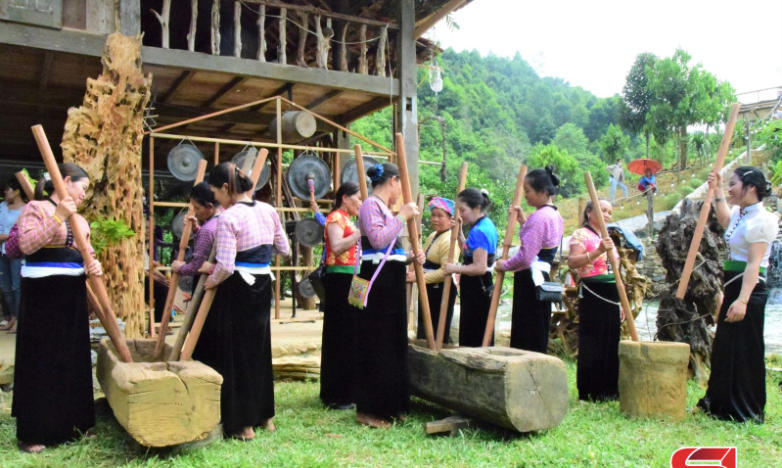
The most distinctive of these folk arts are the Mường folk songs, often featuring alternating six-line and eight-line verses, similar to Vietnamese lục bát poetry, with melodic and ornamental scales.
The simple yet profound culture of the Mường people and the epic “Creation of the Land and Water” have been passed down through generations, retaining a strong and enduring vitality.
With their shared heritage of Lạc and Hồng, the Mường people continue to build their communities, enhance their cultural and spiritual life, and work together with other ethnic groups to develop a prosperous and strong nation.
