Traveling alone becomes simple if you remember these important things.

- Thoroughly Understand the Culture and Laws of Your Destination
When traveling alone, where should you go? This is a timeless question for solo travelers. Each region has its own culture and laws, especially in tourist and entertainment areas. You should prepare well for traveling alone. Therefore, understanding all aspects of your destination is extremely important.
You won’t be able to have a comfortable trip if you don’t adapt to the local way of life. Additionally, understanding the customs and traditions of different regions will help you accumulate geographical knowledge and enrich your survival skills when facing difficulties.
- Carefully Protect Your Valuable Items
Traveling alone involves numerous issues you need to pay attention to, especially safeguarding your personal belongings. When you are in a strange land with unfamiliar people, you are at a higher risk of losing valuable items. Therefore, you must always be attentive and especially protect your personal belongings. Losing items will create difficulties for sightseeing and moving around during your trip. Moreover, losing possessions is very harmful when returning home, as you may be left without money and unsure of how to navigate.
- Avoid Lonely Places at Night
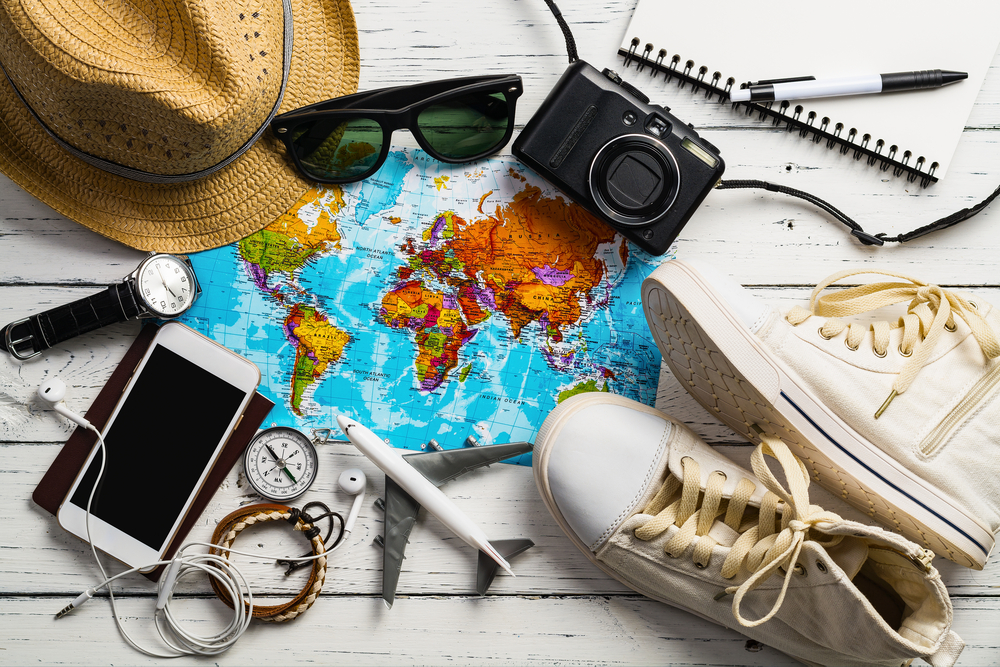
A key tip for solo travel is to avoid deserted and remote places at night due to many dangers such as theft and pickpocketing. Since you’ll be traveling alone without family or friends nearby, ensure your safety at all times.
- Learn Some Local Language
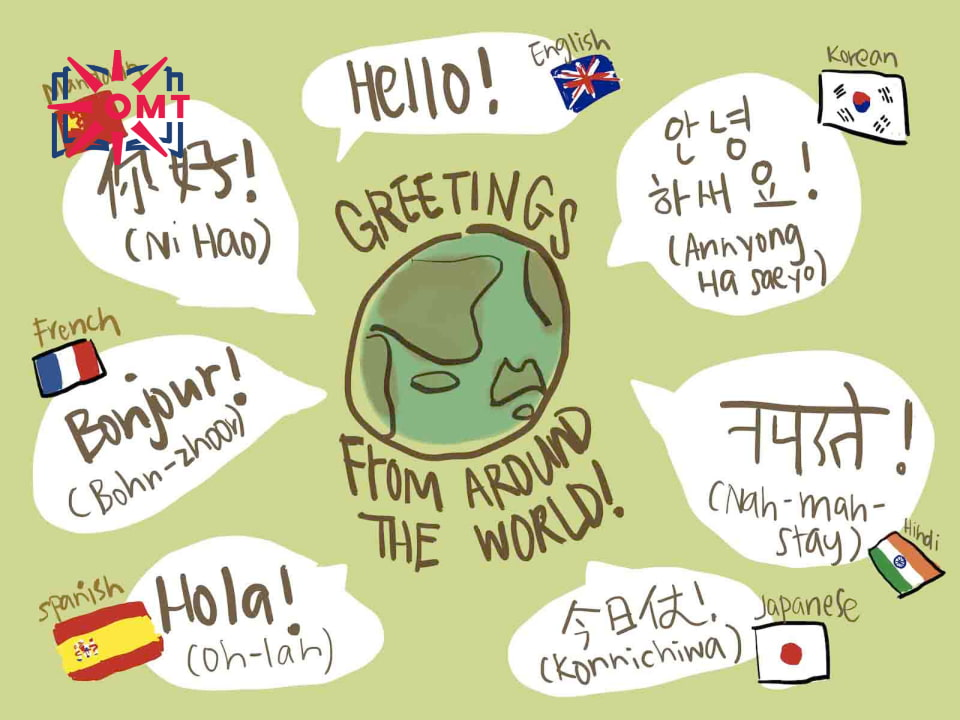
Before traveling, in addition to preparing necessary personal items, you should also learn about the characteristics of the region you’re visiting. Specifically, if there is a unique local language, try to memorize some basic phrases such as greetings and directions. Mastering the local language helps you connect and integrate better with the locals and ensures a more meaningful trip.
- Ask for Information from Hotel Staff
Even if you’ve researched customs and learned the local language, it’s still theoretical. Upon arriving at your travel destination, you can ask the hotel staff for information to avoid confusion. Make sure to ask detailed questions, and if it’s hard to remember, consider recording the information to avoid getting lost while sightseeing.
- Inform Your Loved Ones of Your Travel Plans
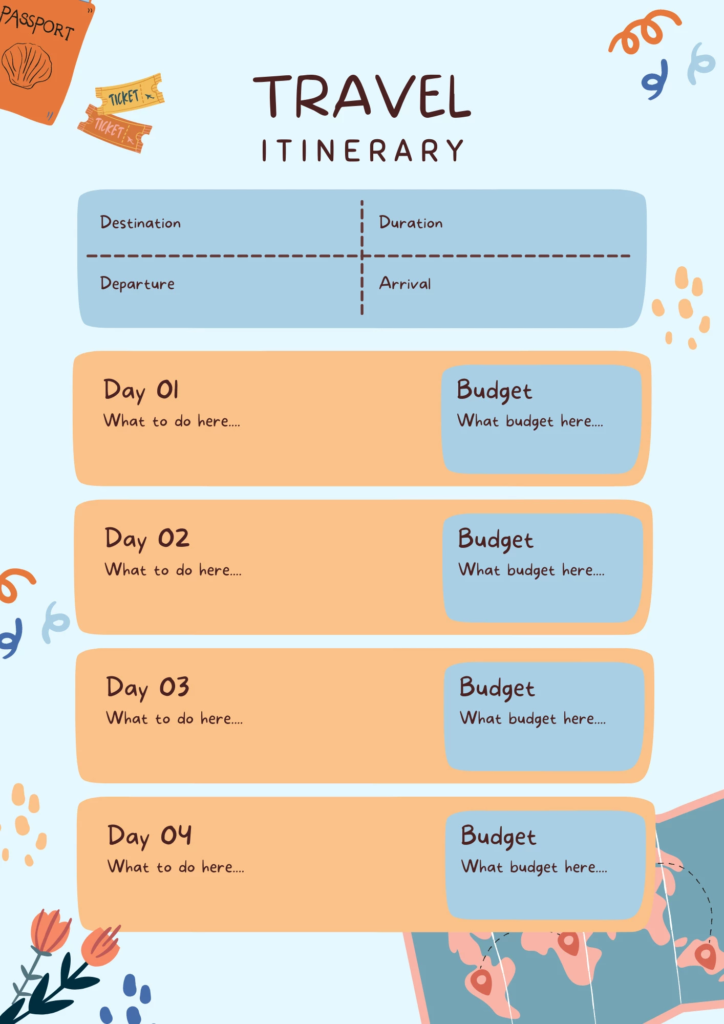
Many solo travelers share the experience of informing their loved ones about their upcoming trip. Besides noting the specific destinations, if possible, record the itinerary of the areas you will pass through. Also, don’t forget to save the contact numbers of several relatives, as you may need them.
- Always Stay Alert and Appear Confident
Solo travelers often appear confused and shy when arriving in unfamiliar, remote places. However, this is an opportunity for malicious individuals to approach you. They may attempt theft, kidnapping, or other harmful actions. Therefore, stay alert and maintain a confident and positive demeanor to avoid drawing attention from wrongdoers.
- Be Mindful of Your Behavior to Avoid Offending Locals
Wherever you travel, you will interact with local residents, some of whom are kind and some less so. To ensure your safety while traveling alone, be polite and friendly to everyone and avoid offending the locals. If locals notice you negatively, they might cause difficulties that could affect your sightseeing experience.
- Don’t Share Too Much Personal Information with New Encounters
In a strange place without familiar people, be cautious with everyone you meet. Regardless of who they are, whether good or bad, limit the sharing of your personal information. Most often, those who seek detailed personal information have ulterior motives or may intend to exploit or harm you.
- Always Have Copies of Important Documents
Traveling inevitably involves important documents related to transit and movement. However, losing items or forgetting documents can happen. To ensure you’re covered, prepare copies of all essential documents in case they are needed.
- Keep Emergency Contacts in Your Phone
Before traveling, besides saving contacts for friends and family, you should also gather emergency contact numbers for government agencies, hotlines, or local authorities in the area you’re visiting. In case of difficulties during your journey, having these emergency numbers will be more useful than contacting relatives.